For many SME teams, WhatsApp is not a side channel. It is the place where work starts.
A customer asks for an urgent delivery. A store team requests stock. A tenant reports a repair. A manager approves a purchase in the middle of a busy day.
That is practical. It is also fragile.
The problem is not WhatsApp
The problem is what happens after the message arrives.
If nobody converts the message into a tracked work item, the team has to rely on memory, screenshots, forwarded messages, and manual follow-up. That usually works until volume increases or the request becomes sensitive.
At that point, small gaps become expensive:
- The owner is unclear.
- Approval happened, but nobody can find it.
- Finance needs context that is buried in chat.
- The customer asks for an update and the team has to reconstruct the story.
A lightweight system is enough
Most teams do not need a heavy ERP rollout just to make chat-based work traceable.
They need a simple operational layer:
- Capture the message.
- Structure the request.
- Assign an owner.
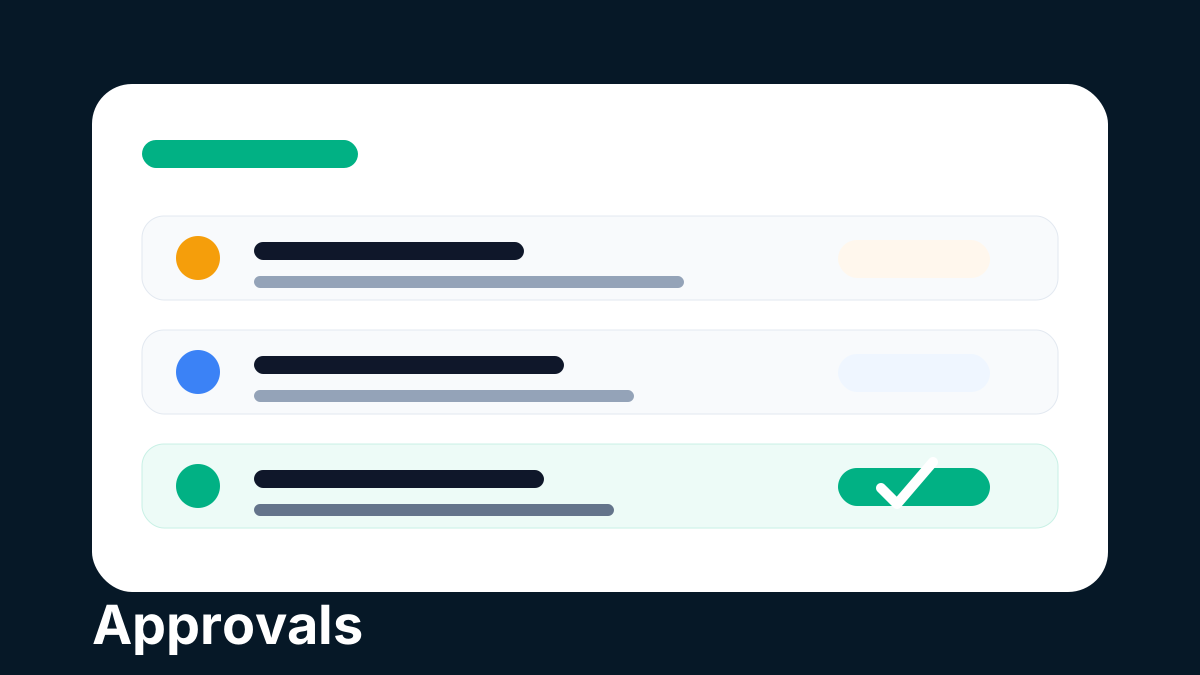
- Route approvals.
- Track status.
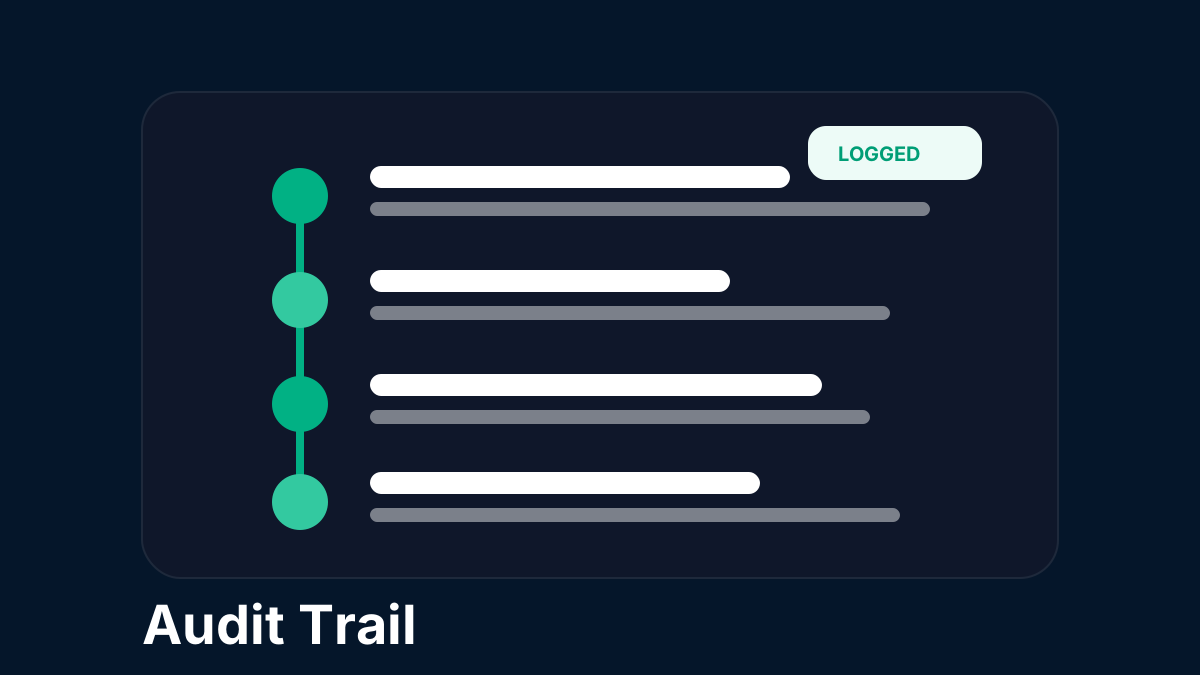
- Keep the audit trail.
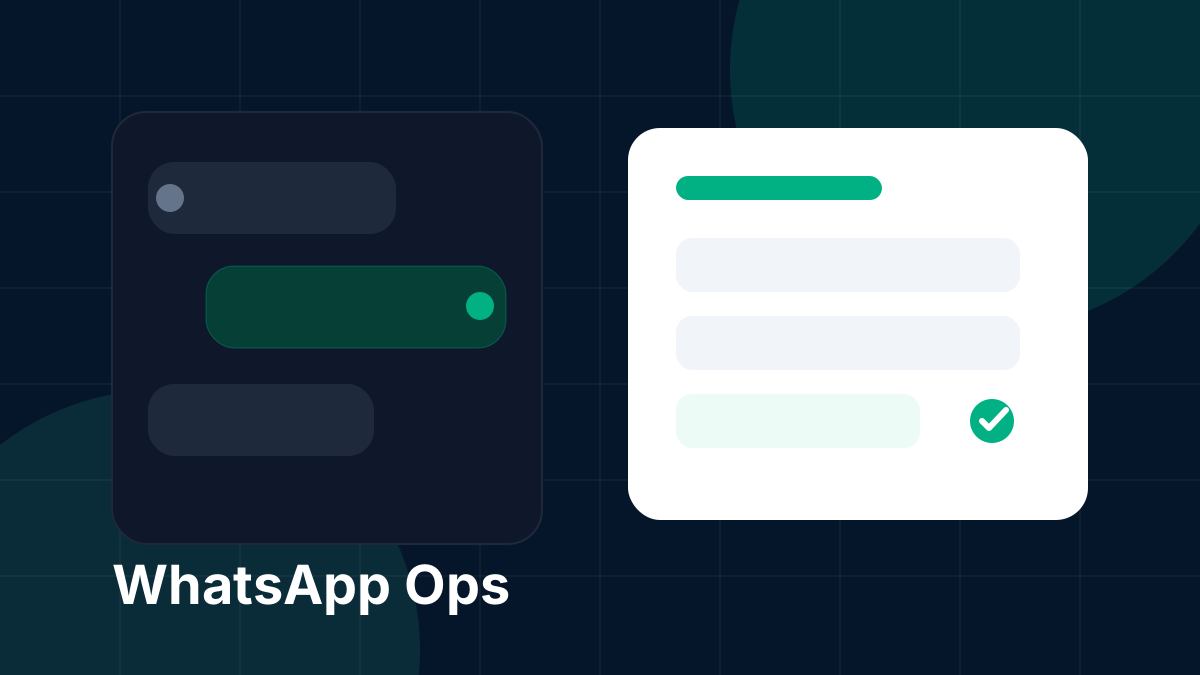
The team can still work from WhatsApp. The system handles the parts that chat is bad at.
Start with one workflow
The best first workflow is usually the one that already causes repeated follow-up.
Good candidates include purchase approvals, restock requests, maintenance reports, sales order handoffs, or tenant repairs. Pick one, make it traceable, and only expand once the team trusts the flow.
That is the point of BoringOps: keep the familiar channel, add the operational discipline behind it, and make work easier to follow without asking every staff member to learn a new app.